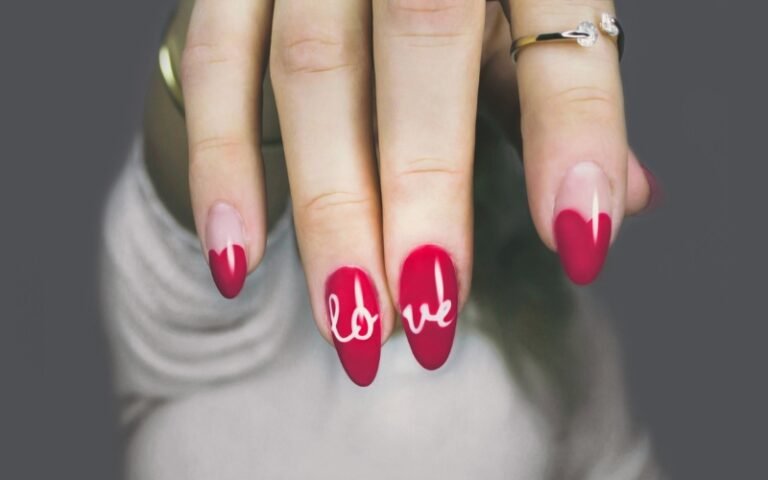
Wondering how to become a nail technician in Nepal and whether it can actually pay? Nails are the most practical entry point in the beauty industry here: the training is short, the kit is portable, clients rebook every two to three weeks by necessity rather than choice, and you can start earning while you build a following. This guide covers the training route, what it costs, what you need in your kit, and what the maths of a working week really looks like.
Step one: proper training
You can learn to paint a nail from a video. You cannot learn to apply an acrylic extension that survives a month of real hands from one, because what you are actually learning is product ratio, apex placement, cuticle work and how to correct a lift before it becomes a lost client.
Our 45-day Professional Nail Course costs NPR 1,50,000 and takes you from beginner to advanced. It covers acrylic and gel nail extensions, dry manicure, pedicure and gel polish, and nail art and design techniques, with practice on real models, a certificate of completion and an internship opportunity. The full professional nail kit is included in the fee.
If you want nails plus other services, the two-month Combo Course at NPR 3,10,000 adds lash and brow or PMU training with all three kits — the comparison is in our guide to beauty academy fees in Kathmandu.
How long does it take?
Forty-five days of structured training gets you competent. Speed is what comes next and it only comes from repetition — a graduate might take three hours for a full acrylic set, while a working technician does it in ninety minutes. That gap is worth real money, and closing it is exactly what an internship is for. Plan for six months from starting your course to being genuinely fast.
Step two: your kit
Your course kit is your starting inventory. What matters afterwards is knowing what to replace and what to upgrade:
- E-file (electric file) — the single biggest speed and quality upgrade for dry manicures and infills. Learn to use it under supervision before you buy an aggressive bit.
- Acrylic and gel systems — stay with one brand while you learn. Mixing systems changes the ratio and cure behaviour and produces failures you cannot diagnose.
- Brushes — one good acrylic brush outperforms five cheap ones. Clean it properly and it lasts years.
- Lamp — a dual-wavelength LED/UV lamp so you are not restricted in which gels you can cure.
- Sterilisation — a proper disinfectant for metal tools plus single-use files and buffers. This is not optional and clients increasingly ask about it.
- Consumables — tips, forms, cotton, wipes, primer, dehydrator, top coats and cuticle oil. Track how fast you use these; it is your true cost per client.
Step three: the numbers
Use our own service menu as the reference. A manicure with gel polish is NPR 2,500 for 30 to 60 minutes. Acrylic extensions with a dry manicure start at NPR 2,500 for 90 minutes, gel extensions from NPR 2,500 for 60 minutes, and a gel pedicure in the massage chair is NPR 4,500.
Three clients a day at those rates is a serious daily figure for one person with a kit that fits in a bag. Be honest about the deductions though: if you work in a salon you will typically be on a salary or a commission split rather than the full ticket price; if you work for yourself you carry rent or travel, consumables, and the cost of finding clients. What makes nails work financially is not the headline price — it is the rebook. Extensions need infills every two to three weeks, so a client you keep is 20+ appointments a year.
Where nail technicians work in Nepal
- Salon employment — the fastest way to build speed and see volume. Lower per-client income, zero setup cost, and you learn client handling.
- Home studio — low overhead, higher margin, but you are responsible for finding every client and for the hygiene standards nobody is checking but you.
- Mobile / bridal work — nails as part of a wedding package alongside bridal makeup. Seasonal, well paid, demanding.
- Training and content — experienced technicians teach, which is a second income stream once you have a portfolio.
- Abroad — nail skills travel, and a documented certificate plus a portfolio of healed work is what employers overseas ask to see.
Step four: build a portfolio that gets you booked
Photograph every set, in daylight, against a plain background, from the same two angles. Post the ordinary ones as well as the dramatic ones — most clients want a neat, wearable nail, and a feed of nothing but stiletto nail art tells them you are not for them.
Show two things nobody else shows: healed work at two weeks, and your removals. A technician who photographs an intact natural nail after removal is advertising the thing experienced clients care about most. Use consistent hashtags with your city in them, and reply to every enquiry the same day — in this industry, the person who answers first usually gets the booking.
The mistakes that cost new technicians clients
- Skipping prep. Almost every lifted set traces back to inadequate cuticle work or a skipped dehydrator and primer.
- Wet manicures under gel. Soaking swells the nail plate, so the product loses grip when it contracts. Dry manicure, always.
- Cutting live cuticle. It is a seal against infection, not untidiness.
- Filing the natural nail with a coarse bit. Thinning the plate feels efficient and creates weak, painful nails that clients blame on gel.
- Letting clients peel product off. Teach removal at the first appointment; peeling takes layers of natural nail with it and you get blamed for the damage.
Frequently asked questions
How do I become a nail technician in Nepal?
Take a structured nail course with live model practice, then build speed through an internship or salon work. The 45-day Professional Nail Course at Artistry Academy costs NPR 1,50,000, includes a full professional kit, covers acrylic and gel extensions, manicure, pedicure and nail art, and ends with a certificate and internship opportunity.
How much does a nail technician course cost in Kathmandu?
The 45-day Professional Nail Course is NPR 1,50,000 with the kit included. The two-month Combo Course, which adds lash and brow or PMU training with all three kits, is NPR 3,10,000. International students can take a 5-day Master Nail Tech Course for USD 750.
How long does it take to become a nail technician?
Forty-five days of full training makes you competent, and roughly six months of consistent client work makes you fast. Speed is what separates a graduate from a professional — a full acrylic set drops from around three hours to about ninety minutes with practice.
How much can a nail technician earn in Nepal?
Earnings depend on your setting and rebook rate rather than a fixed salary. For reference, a manicure with gel polish is NPR 2,500 and acrylic extensions start at NPR 2,500 per client at our Kathmandu studio, with infills needed every two to three weeks — the recurring appointments are what make the income steady.
Do I need my own kit to start?
Not to train — the professional kit is included in the course fee. After graduating, your kit becomes your business asset, and the running cost is consumables such as tips, forms, primer, top coat and single-use files.
Is nail technology a good career in Nepal?
It has the lowest entry cost and the most reliable rebooking in the beauty industry, because extensions and gel need maintenance every two to three weeks. It also travels — the skills and a documented certificate are what employers ask for abroad.
Start your nail career in Kathmandu
The academy is at Sohrakhutte Chowk, Kathmandu, open every day from 10:00 AM to 7:00 PM. Come and watch a class, look at the kit you would be given and ask what our graduates are doing now. Call +977-9708274017, email info@artistrynp.com, or enquire from the courses page.